GUATEMALA / ABOUT LAKE ATITLÁN
Beyond the view,
a place to know and love.
A region of living languages, strong communities, and visible faith—and a continuing need for deep discipleship.
Understanding the place helps explain the kind of church we are seeking to plant.
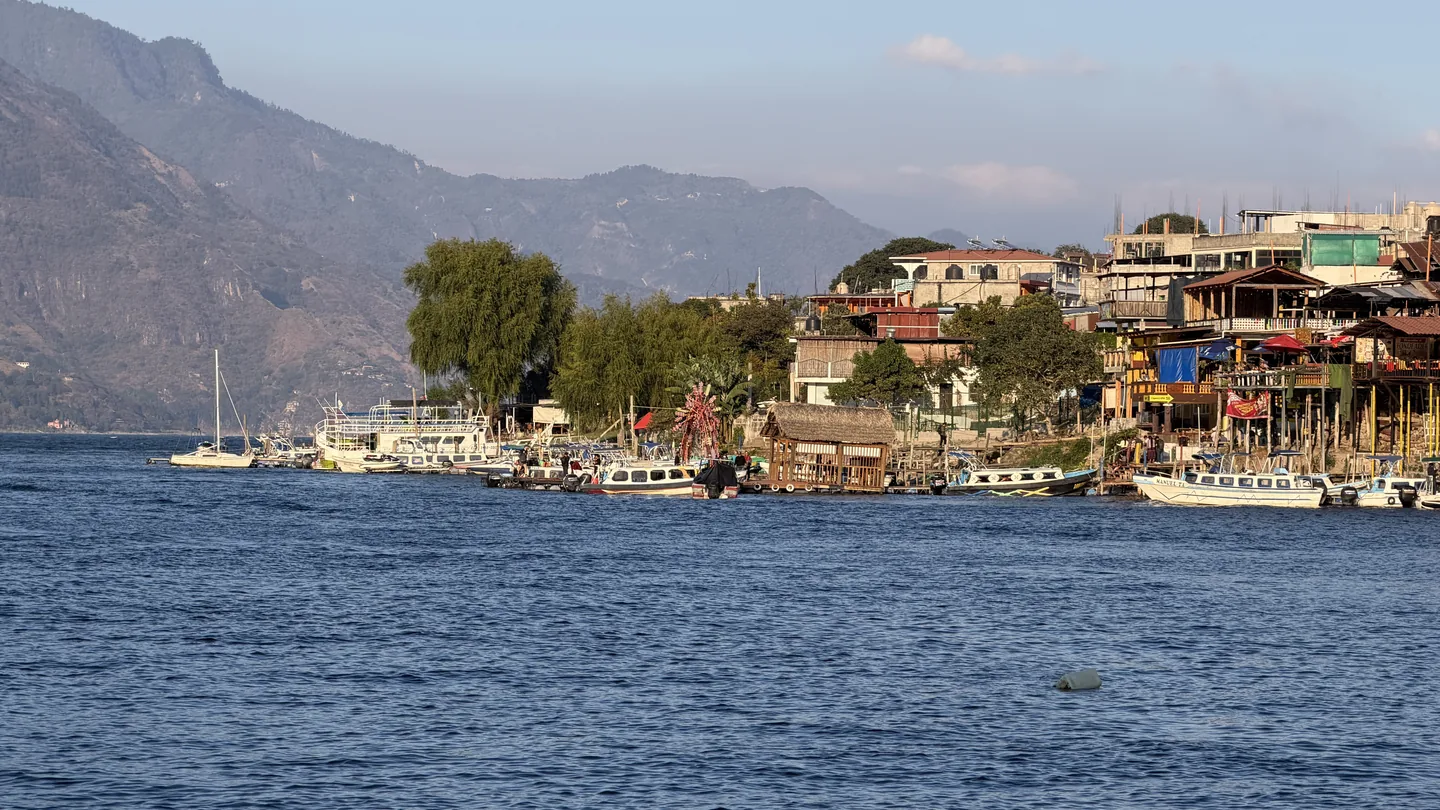
One lake.
Distinct communities.
Relationships matter.
Lake Atitlán’s basin is home to Tz’utujil, Kaqchikel, and K’iche’ Maya communities, alongside Ladino and other residents. The region cannot be understood as one uniform culture.1
The Academia de Lenguas Mayas de Guatemala identifies San Pedro La Laguna, San Pablo La Laguna, and Santiago Atitlán among the municipalities where Tz’utujil is spoken.2
For our team, this means listening before assuming: learning how people speak, building trust, and paying attention to the relationships and experiences that shape daily life.
We are rooted in San Pedro. In Santiago, we are working toward the first SÓLIDA resource pilot with a local Christian community. In San Pablo, relationships are opening the possibility of a future Bible study.
Religious activity
does not always mean
deep biblical roots.
We encounter people familiar with church life who still need help understanding the gospel and growing in the knowledge of God.
Our concern is the gap we see between participation and formation. A full program can coexist with limited understanding of Scripture, uncertainty about the gospel, and little personal discipleship.
We want people to learn how to read a passage in context, see how it points to Christ, discern teaching faithfully, and live out what they learn. That takes time, relationships, patient teaching, and a church that knows and cares for its people.
This pastoral assessment comes from the needs we encounter in our relationships. We recognize and value faithful believers and churches already serving around the lake.
Our desire is to see people move from familiarity with Christian language to a growing knowledge of Christ and his Word.
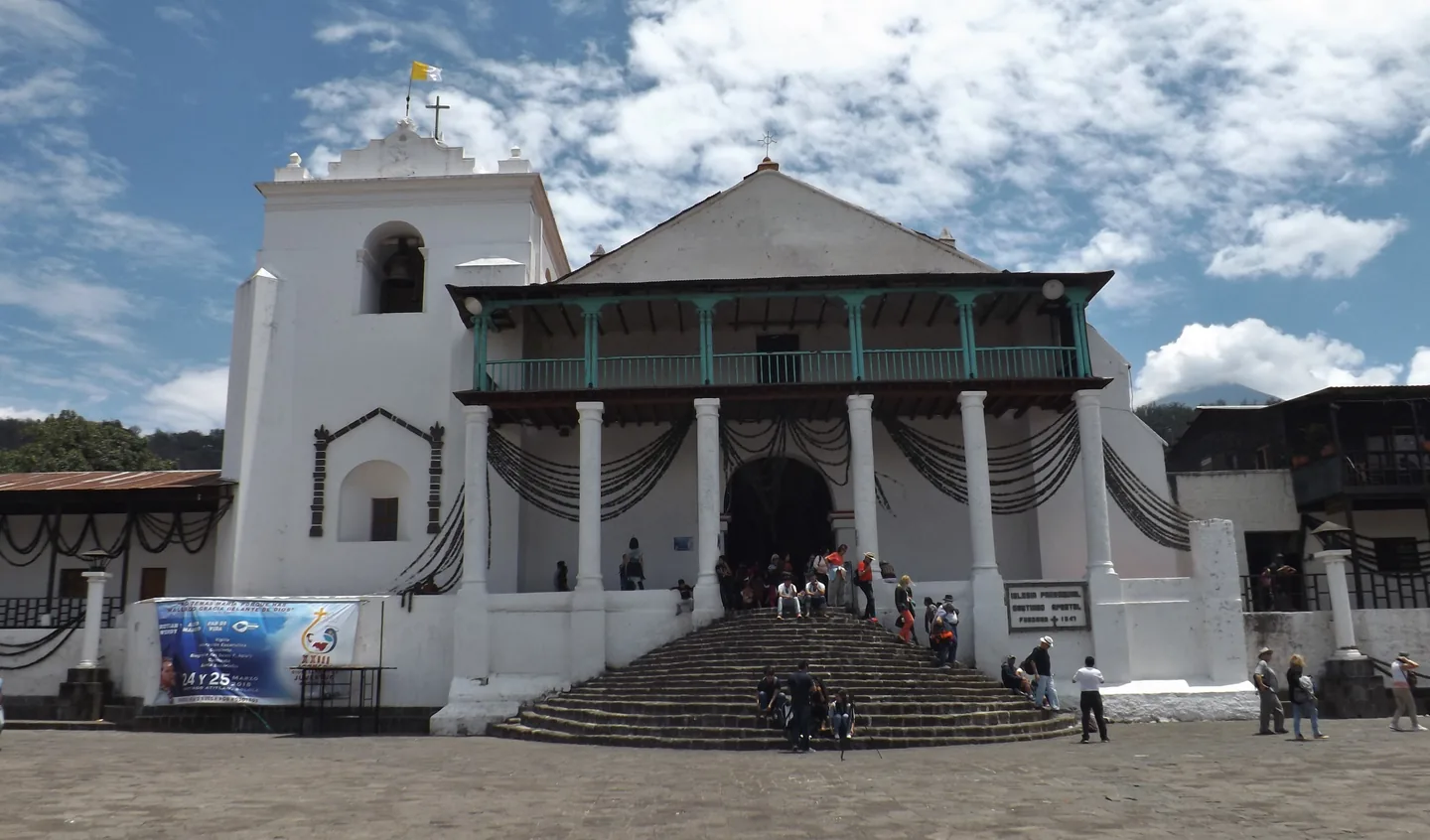
Christian language.
Different understandings.
Research in Santiago Atitlán documents how traditional Maya practices and meanings have interacted with Catholic observances. Allen J. Christenson’s fieldwork, for example, traces the preservation of older world-renewal traditions within Holy Week ceremonies.3
This blending of religious traditions is often called syncretism. Research on the Guatemalan highlands describes both parallel practices and hybrid forms of religion; the patterns vary between communities and people.4
Our pastoral response is to teach clearly who God is, what Christ has accomplished, what grace means, and why Scripture governs faith and practice. We want to address confusion patiently, through relationships and careful biblical teaching.
We distinguish cultural identity from religious claims. Loving our neighbors includes honoring their dignity and language while inviting every belief—including our own assumptions—to be examined in the light of Scripture.
Understanding
opens the door
to growth.
In our pilot relationships, we see very limited access to the kinds of Christ-centered studies, sermons, and discipleship resources we want families to have in their own Tz’utujil. These are the families and teaching resources our first pilot is designed to serve.
We are creating and translating resources with local speakers, beginning with the variety spoken in Santiago Atitlán. Audio makes the teaching accessible to people who do not read and gives families a way to listen again and learn together.
These sources inform the cultural and historical context. Statements about the needs we encounter and our ministry response reflect the planting team’s observations. Historical studies do not measure the present-day beliefs of every resident or church.
- AMSCLAE, Informe de pertenencia sociolingüística (2023): communities living in the Lake Atitlán basin.
- Academia de Lenguas Mayas de Guatemala, Idioma Tz’utujil: language community and municipalities.
- Allen J. Christenson, The Burden of the Ancients: Maya Ceremonies of World Renewal from the Pre-Columbian Period to the Present (2016): research centered on Santiago Atitlán.
- John G. Douglass, Holy Week, Easter, and Religious Syncretism in Guatemala, University Press of Colorado (2019).